

Introduction to Frisbee/Disc Golf
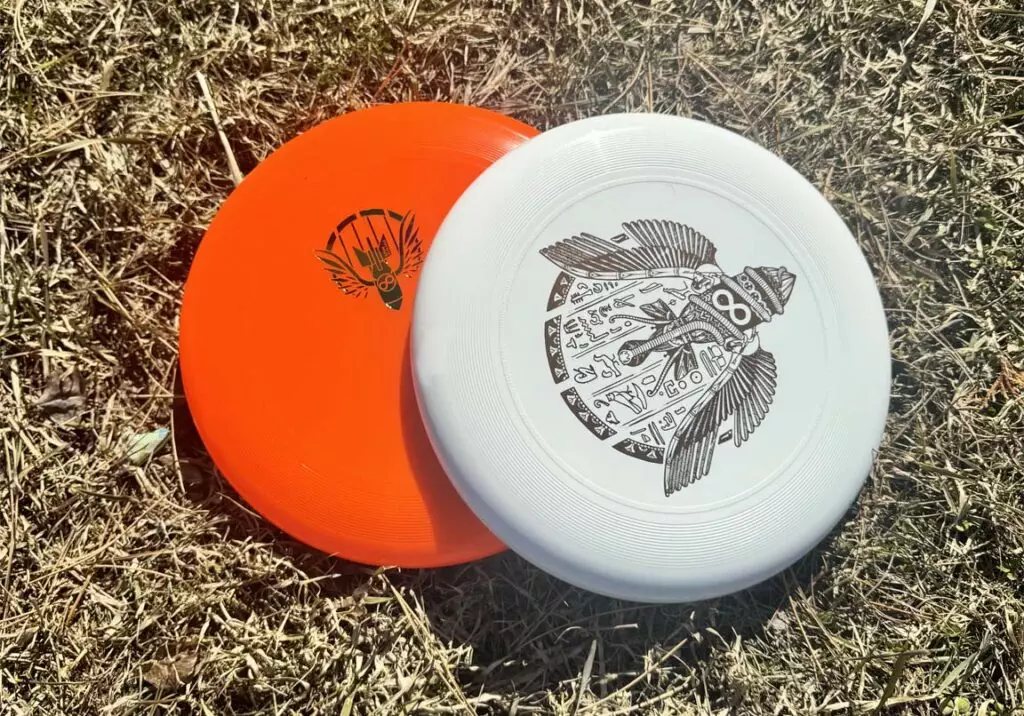
When I tell people that I play disc golf, I’ve frequently been asked if that is the same as Frisbee golf. Are disc golf and Frisbee golf the same? I tell them that it is the same, and if I have the time and desire, I tell them that disc golf was originally played with Frisbees and then developed into a sport that had its own type of disc. I might tell them that disc golf started with people throwing Frisbees at random object, then graduated to throwing at poles, and then the disc golf basket was born. And the sport of disc golf began.
In this blog we are going to look at disc golf and give the reader an overview of the sport. We’ll discuss the components of disc golf and how you can get involved.
Equipment
Just like the targets for disc golf evolved, so did the discs. Players may have started using Frisbees, but they quickly learned that specialized discs were necessary. “Steady” Ed Headrick is credited for designing the first disc specifically for disc golf. Since then, numerous companies have produced their own molds that are just for disc golf.
The discs that are used by disc golfers are divided into four different types: Distance drivers (or high-speed drivers), control drivers (or fairway drivers), midranges, and putters. Each type comes in a variety of weights and plastics. This gives players choices of discs to fit their skill level and preferences.
In addition to weights and plastics, discs also have a big variety of flight characteristics, and are designed to fly a certain way. Since disc golf course layouts force disc golfers to play a certain way, it is nice to have a variety of flight choices.
In addition to a huge selection of discs to choose from, players also have lots of accessory choices. From mini markers (used to mark the lie of the disc) to retrievers, to bags or carts, there are products available for disc golfers to assist in their play. Most of the accessories aren’t required to play, they just make a round of disc golf a little easier and more enjoyable.
Governing Body

The Professional Disc Golf Association (PDGA) serves as the governing body for disc golf, overseeing rules, regulations, and the development of the sport. Founded in 1976, the PDGA has played a pivotal role in promoting disc golf and fostering its growth into a respected athletic pursuit. The PDGA governs for the entire world, and has a representative for each state in the US. Participation in certain tournaments requires you to join the PDGA.
Competition

There are many people who play disc golf who have no desire for competition. They are content to head to the course to play with friends, or even a solo round. For the rest of us, we like to add some competition to our disc golfing. For us, we have a lot of competitions to choose from.
Competitive disc golf events range from very casual events, to professional events with strict rule enforcement and large cash payouts. The level you choose to compete in depends on you.
At the lowest level of competition are league events. These are regular events that consist of usually one round of disc golf. The payouts are small and the rule enforcement is a little more relaxed. These are usually held by a local club.
At about the same level of seriousness are tournaments sponsored by manufacturers. In this kind of competition, you get a couple discs with your entry fee, then you have to use those discs during the tournament. Everyone in the tournament is using the same discs, which makes it fun.
There are also casual tournaments for a cause, such as a fundraiser for a course or a charitable cause. These tournaments don’t have strict rule enforcement and you are usually competing for a trophy or some discs. These are good events to try if you are just getting into competitive disc golf.
The next level up is sanctioned tournaments. These are tournaments that are sanctioned by the PDGA and have strict rule enforcement. Sanctioned tournaments have several different levels, or tiers, with each tier having a few requirements not found at lower tournaments. The higher-tiered tournaments attract the top professionals and have the biggest payouts.
Rules
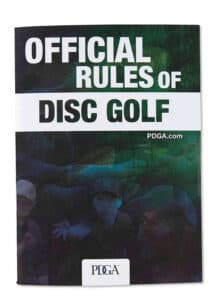
The PDGA is responsible for determining the rules for disc golf. The rules are designed to create fairness in competition. They are continually reexamined and changed, added, or deleted as needed. Although disc golf shares a lot of similarities with traditional golf, they have their own rules for play. From proper etiquette to scoring procedures, understanding the rules of disc golf is essential for both newcomers and seasoned veterans alike. By adhering to these rules, players can enjoy a rewarding and fulfilling experience on the course while upholding the spirit of the game.
Conclusion
As we’ve explored in this blog, disc golf is much more than just a casual pastime—it’s a dynamic and engaging sport that continues to capture the hearts and minds of players around the world. From its humble beginnings with Frisbees to its evolution into a competitive and thriving athletic pursuit, disc golf offers something truly special for everyone. Whether you’re drawn to the thrill of competition, the camaraderie of community, or simply the joy of being outdoors, disc golf has a place for you. So grab your discs, hit the course, and discover the exciting and fun world of disc golf for yourself.
